Where it comes from
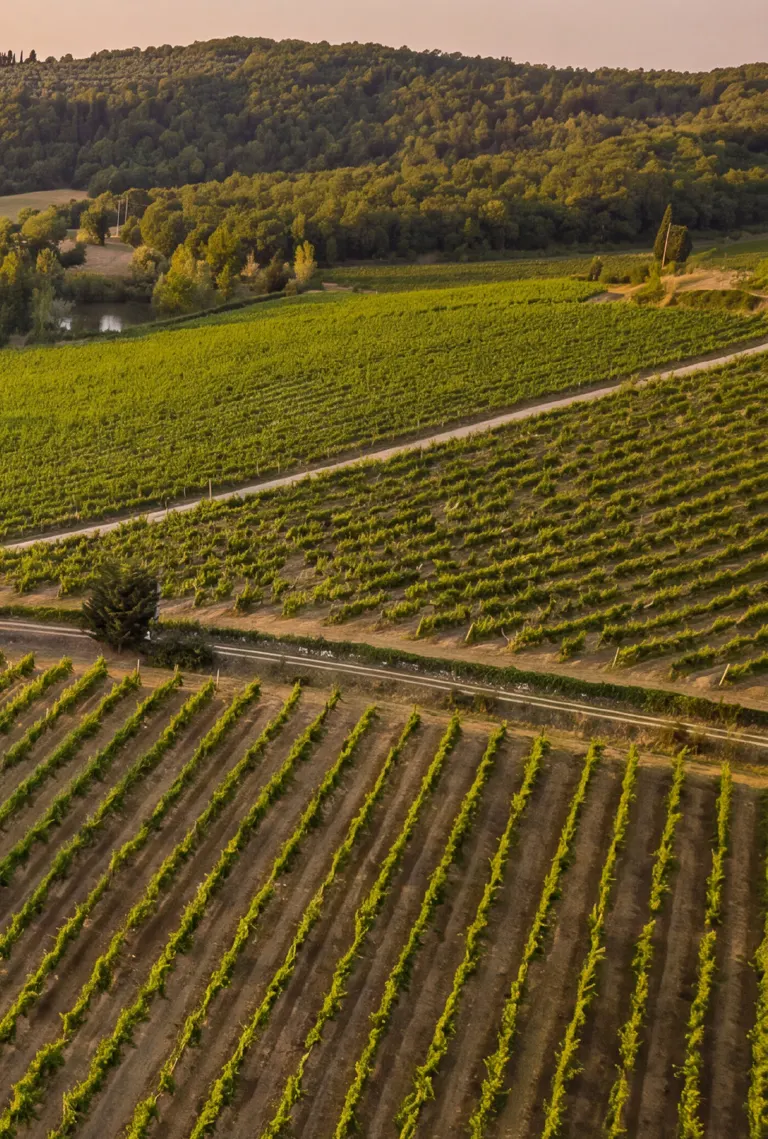
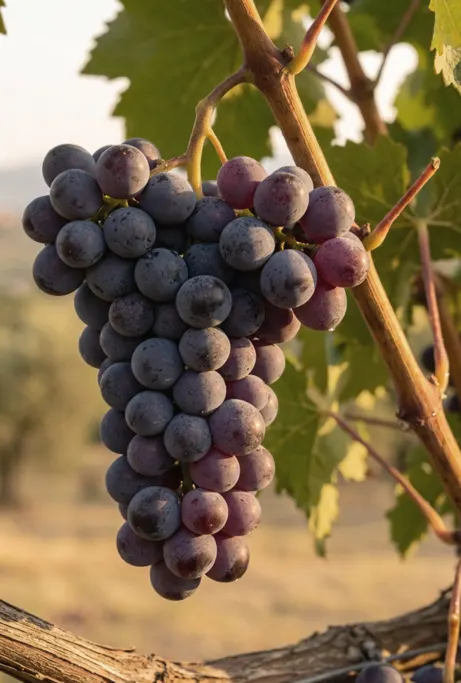
In the Valdarno, at Pieve a Presciano, on the hills where the ancient road once ran. Vines farmed with certified organic methods, on clay and stones: the “skeleton” that gives the local reds their backbone.

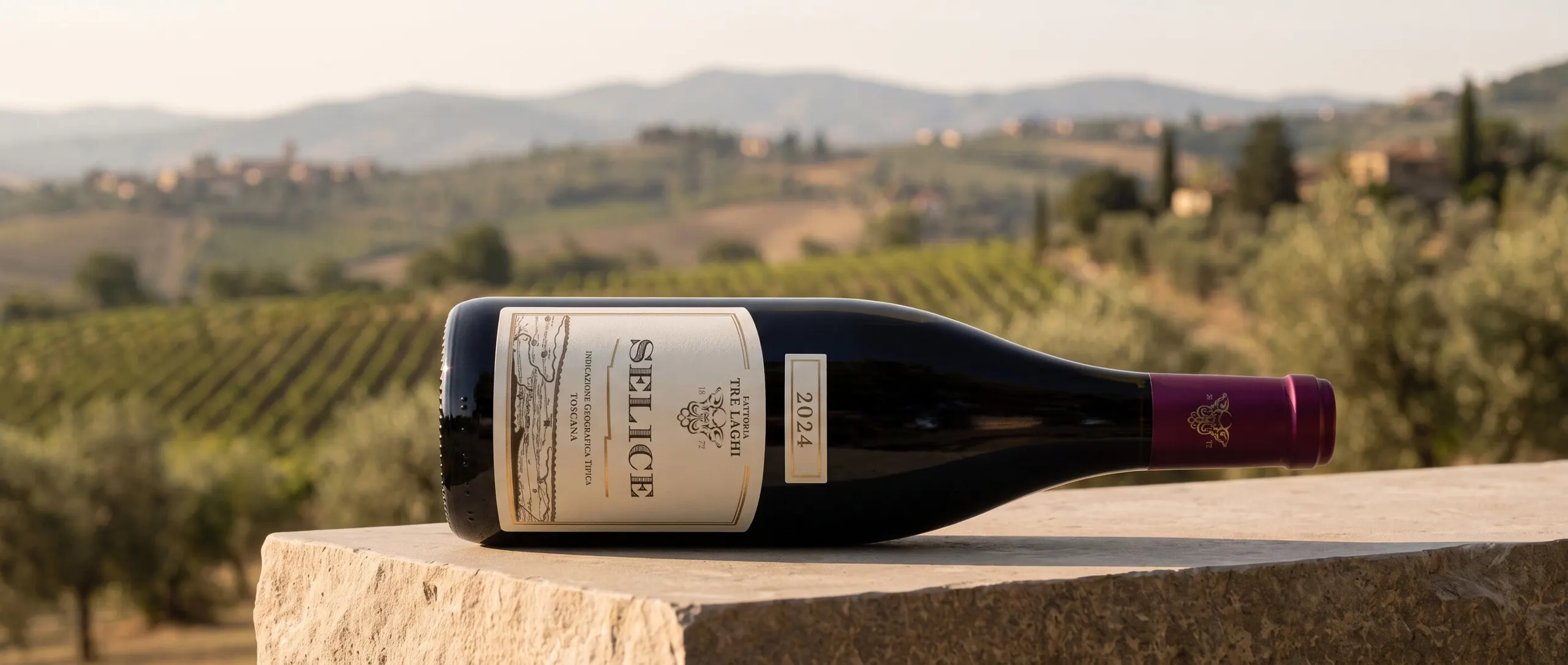
“The red of these hills, the patience of those who farm them, the sun that ripens the grapes. All of this is Selice.”
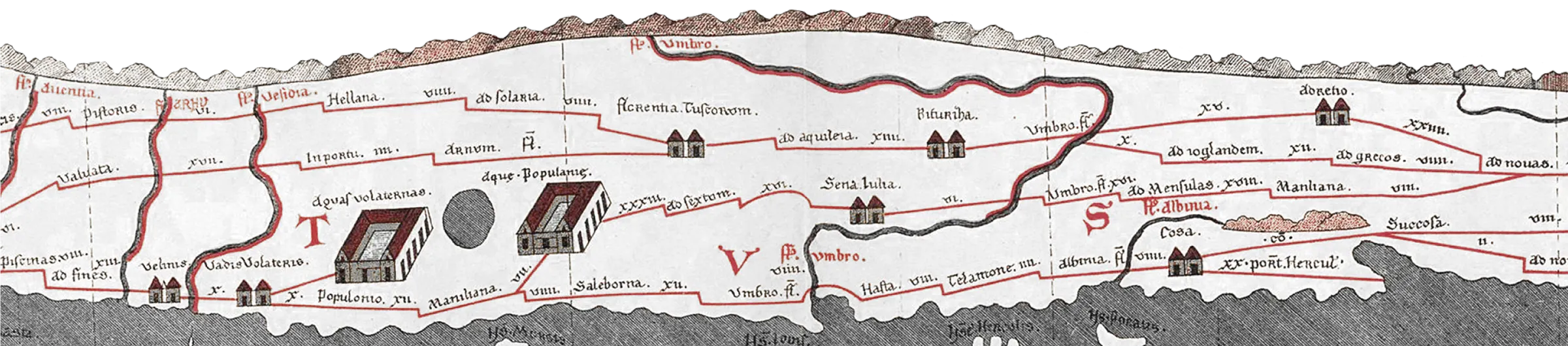
Some roads disappear altogether, and some refuse to. The Selice is one of them. The Romans laid it out two thousand years ago to link two valleys across the San Pancrazio pass. The carts that travelled it carried goods, people and stories from one end of Tuscany to the other.
Then time covered it over. Today no trace of it can be seen: where the carts once passed, vines grow. But the old maps still remember it, and tell us it ran right here, among these hills.
It is the same earth that once felt the footsteps of travellers. Today it feeds the roots of our organically grown Sangiovese, and in every bottle there is a little of that journey.
That is why the wine is called Selice. And that is why a broken line runs beneath its name: it is the mark the old maps used to draw roads, the thread that ties those who drink it today to those who passed this way centuries ago.
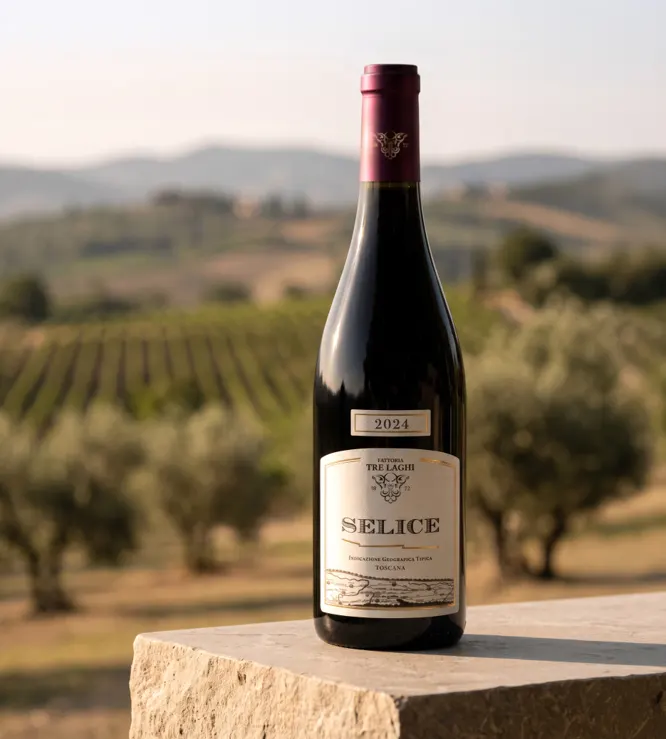
In the Valdarno, at Pieve a Presciano, on the hills where the ancient road once ran. Vines farmed with certified organic methods, on clay and stones: the “skeleton” that gives the local reds their backbone.
We harvest by hand in late September. Then a slow fermentation in stainless steel and about ten days on the skins, to take on colour and character. It rests for a few months before reaching the glass.
 Certifiedorganic
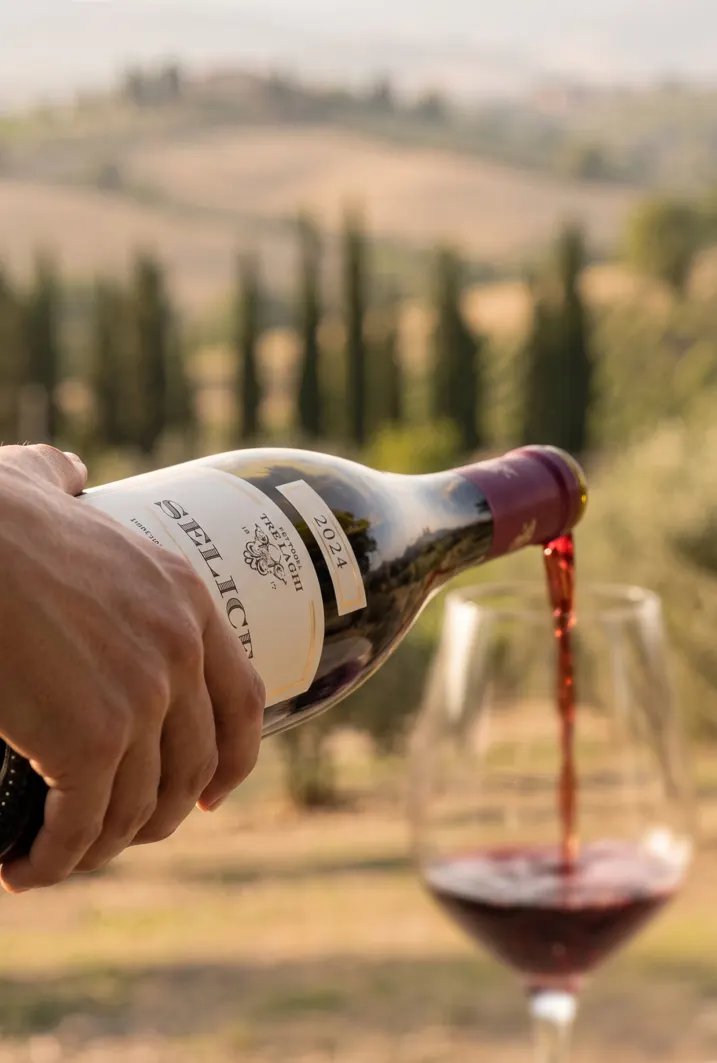
Ruby red, with a scent of ripe fruit and earth; on the palate it is honest and warm, with the gentle tannins of a house wine.
At the table, with local flavours: pasta with ragù, chargrilled meats, pecorino. Serve it cellar-cool, never cold. A wine to share rather than to celebrate.

Information and orders
Write to us to buy a few bottles or feature Selice in your restaurant or wine shop. We reply personally.