Since 1872
Our story
A historic palazzo, a working farm, a family that has looked after it since 1970.
More Than One Hundred and Fifty Years Among These Hills
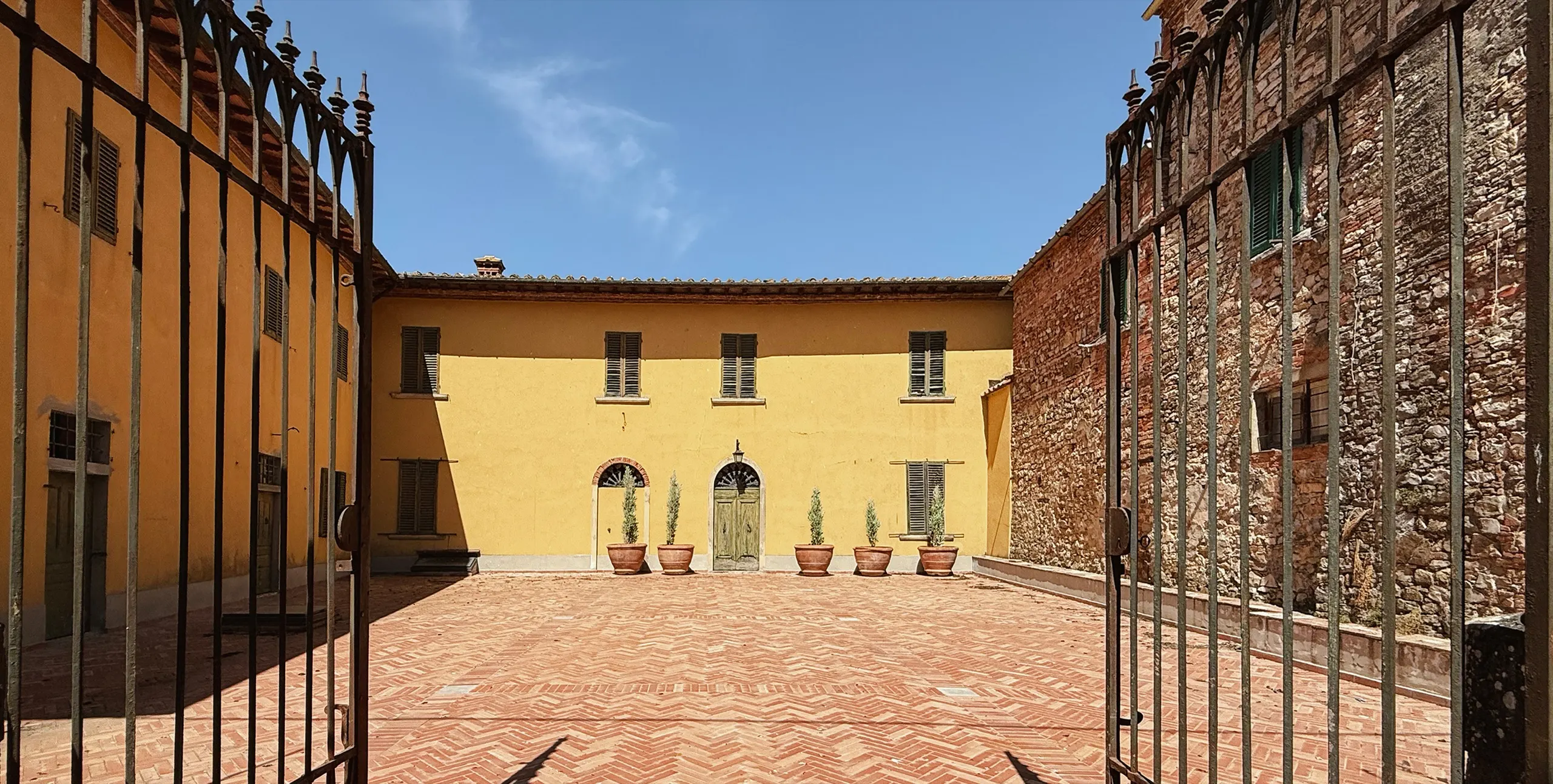
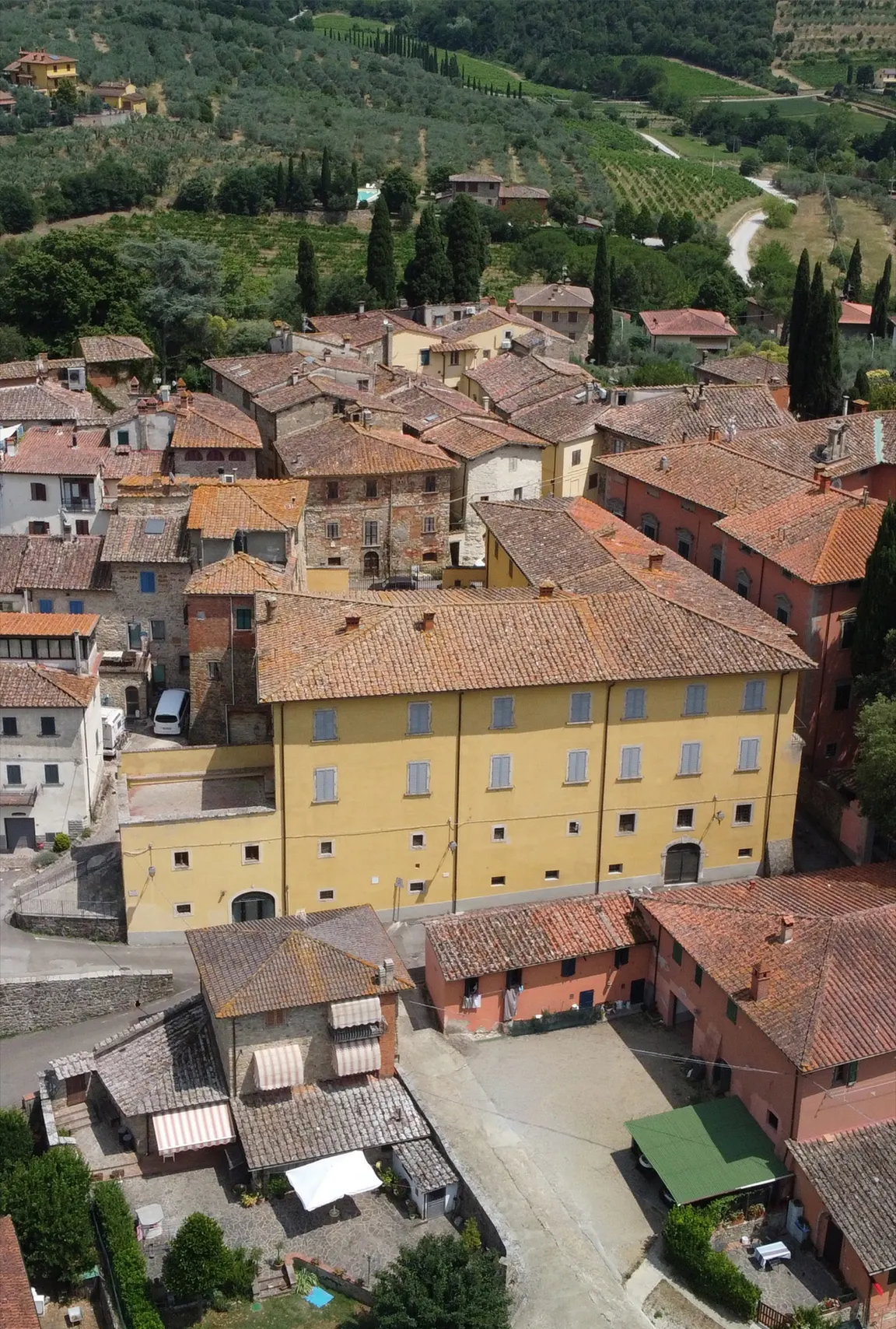
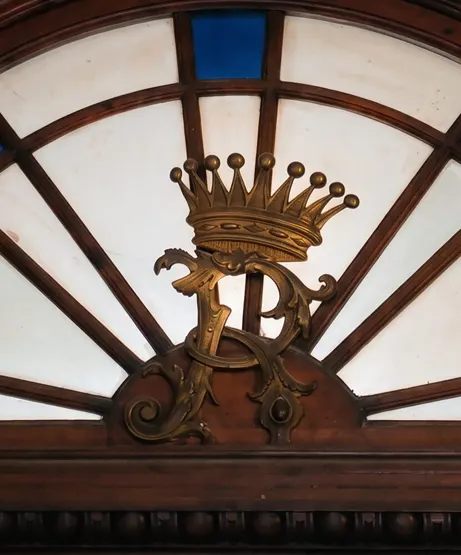
The first record of Fattoria Tre Laghi is found in the notarial archives and dates back to 1872. At the time the estate stretched across the municipalities of Civitella, Pergine Valdarno and Bucine and counted no fewer than fourteen farms. It belonged to Count Giovanni Battista Rubeni, who had the palazzo of Pieve a Presciano built: the same one that, more than a century later, is still home to the business and its cellars.
The estate later passed to the Counts Galletti of Pisa, who held it until 1927. Several sales followed and a number of farms were lost, until in 1970 it was bought by the Cipolleschi family. Since then the palazzo has remained the heart of the estate, among the vineyards of these hills.
Timeline
From 1872 to Today
The milestones that made Fattoria Tre Laghi what it is today.
First records in the archives: 14 farms
Death of Count Rubeni, who built the palazzo
End of the Galletti counts’ era
The estate passes to the Cipolleschi family
The holiday homes open
The estate’s vineyards and olive groves are certified organic
From 2010 to today, major renovation of the holiday homes
The Family Today
Since 1970 the estate has belonged to the Cipolleschi family, who for more than fifty years have cared for it and kept it alive. The palazzo built by Count Rubeni is still home to the business and the cellars, the heart from which everything carries on.
The Way We Work
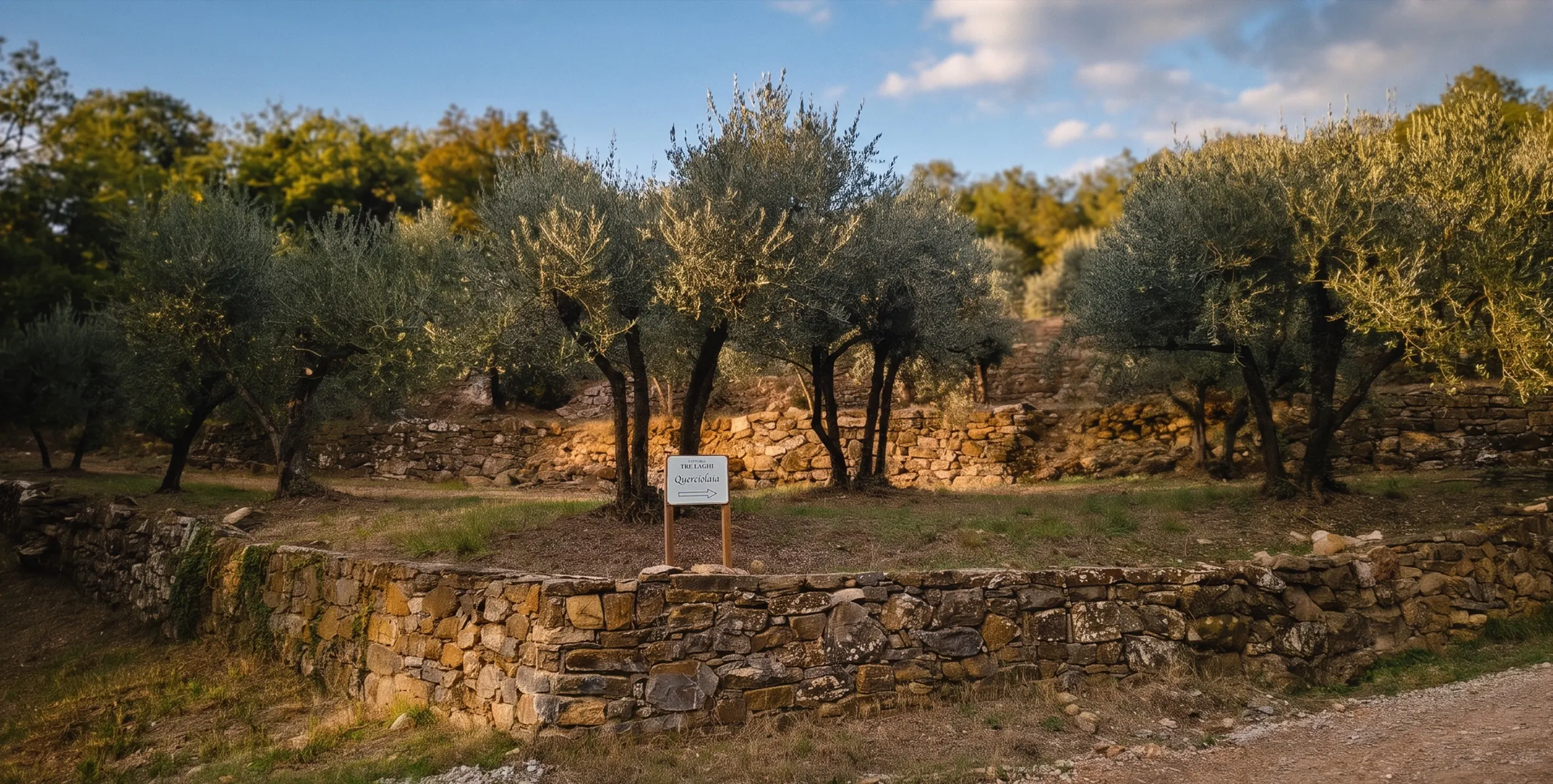
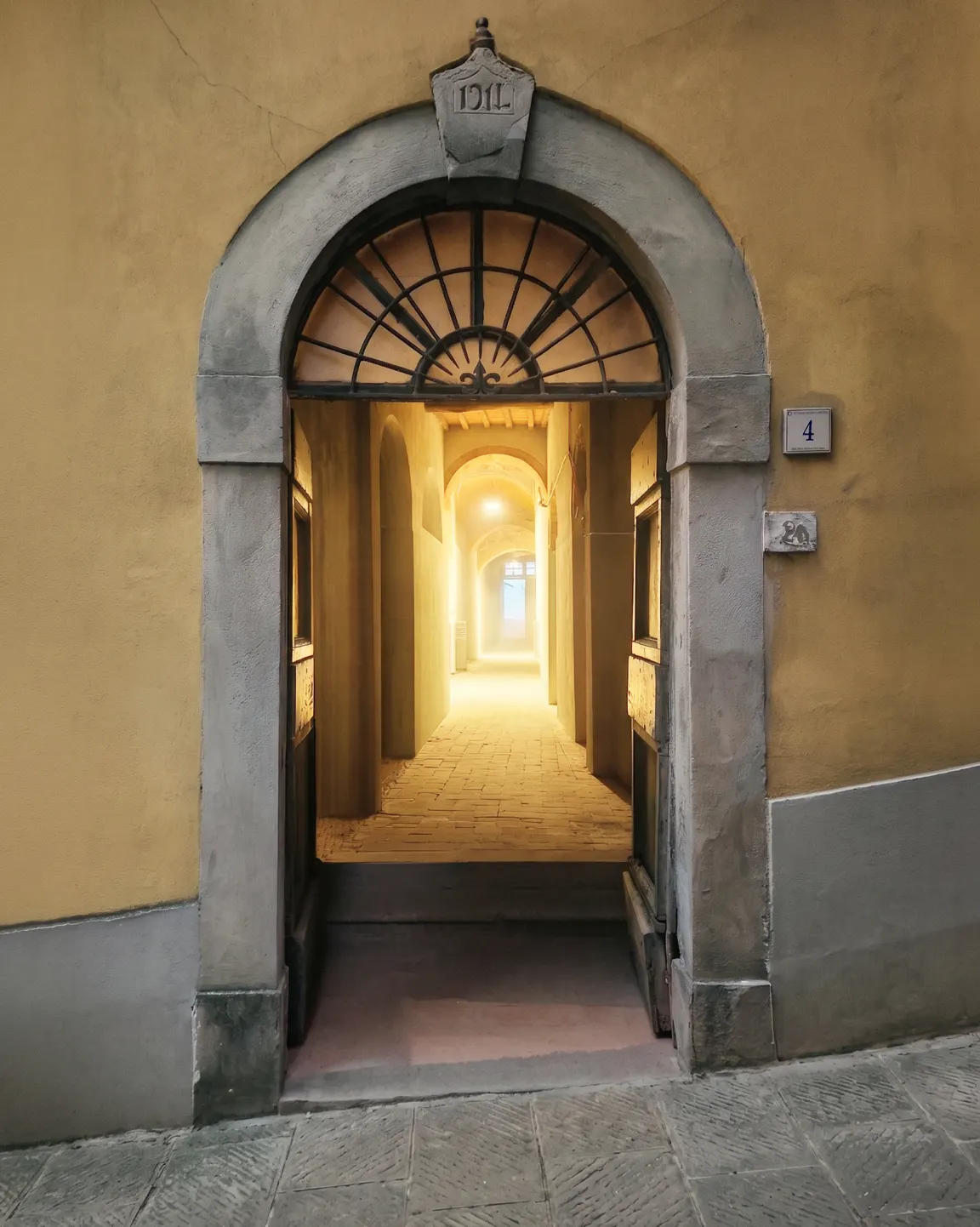
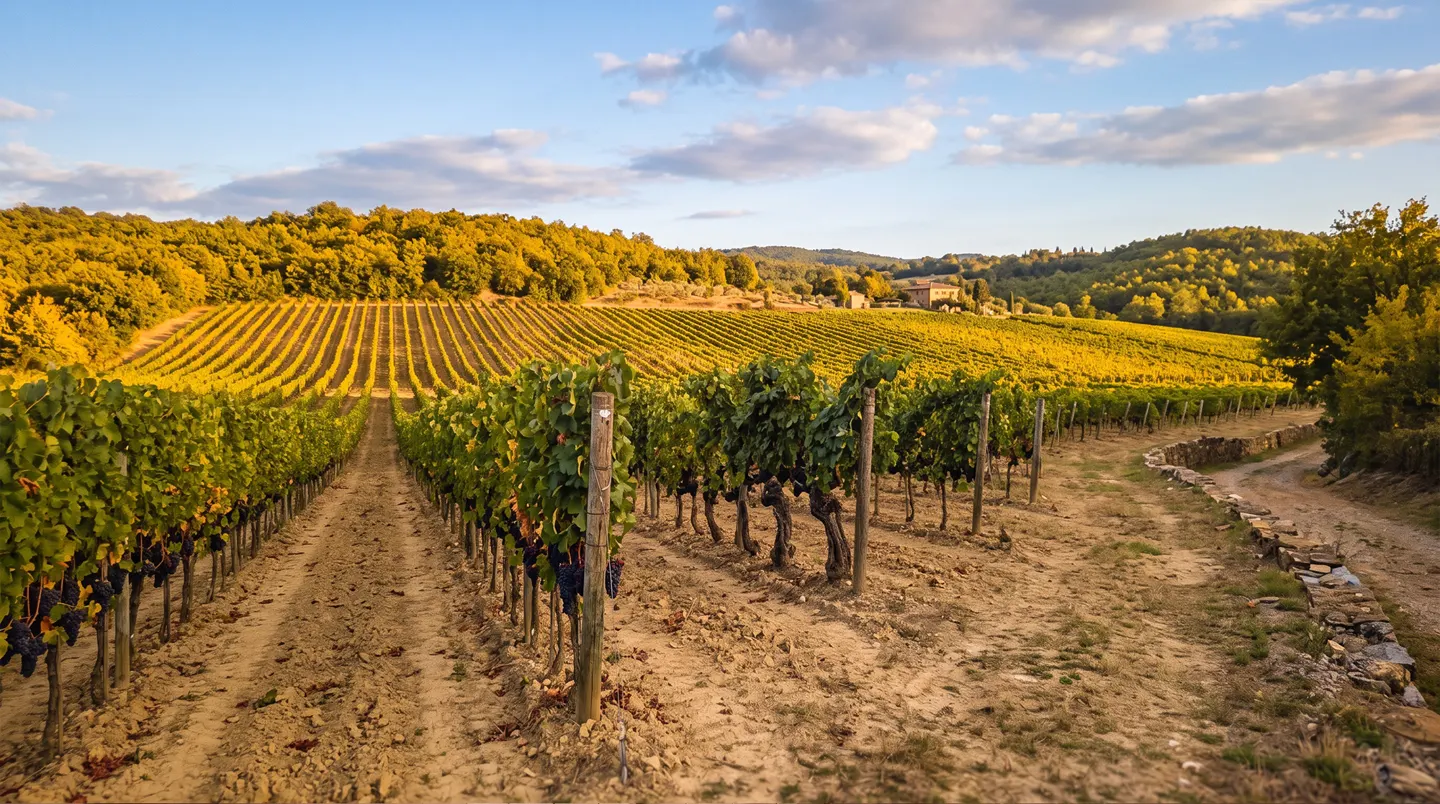
At Fattoria Tre Laghi, the land sets the pace. The vineyards and olive groves around the houses are farmed with certified organic methods and regularly inspected: no shortcuts, just the work the land asks for. We harvest by hand in late September, when the grapes are ready, and in the cellar we take our time, giving the wine the time it needs to become itself. It is the same spirit in which we welcome our guests: few homes, plenty of space and the freedom to experience a real working farm, among vineyards and hills.
Land
Organic vineyards and olive groves, tended season after season.
Time
Hand harvesting, an unhurried cellar.
Hospitality
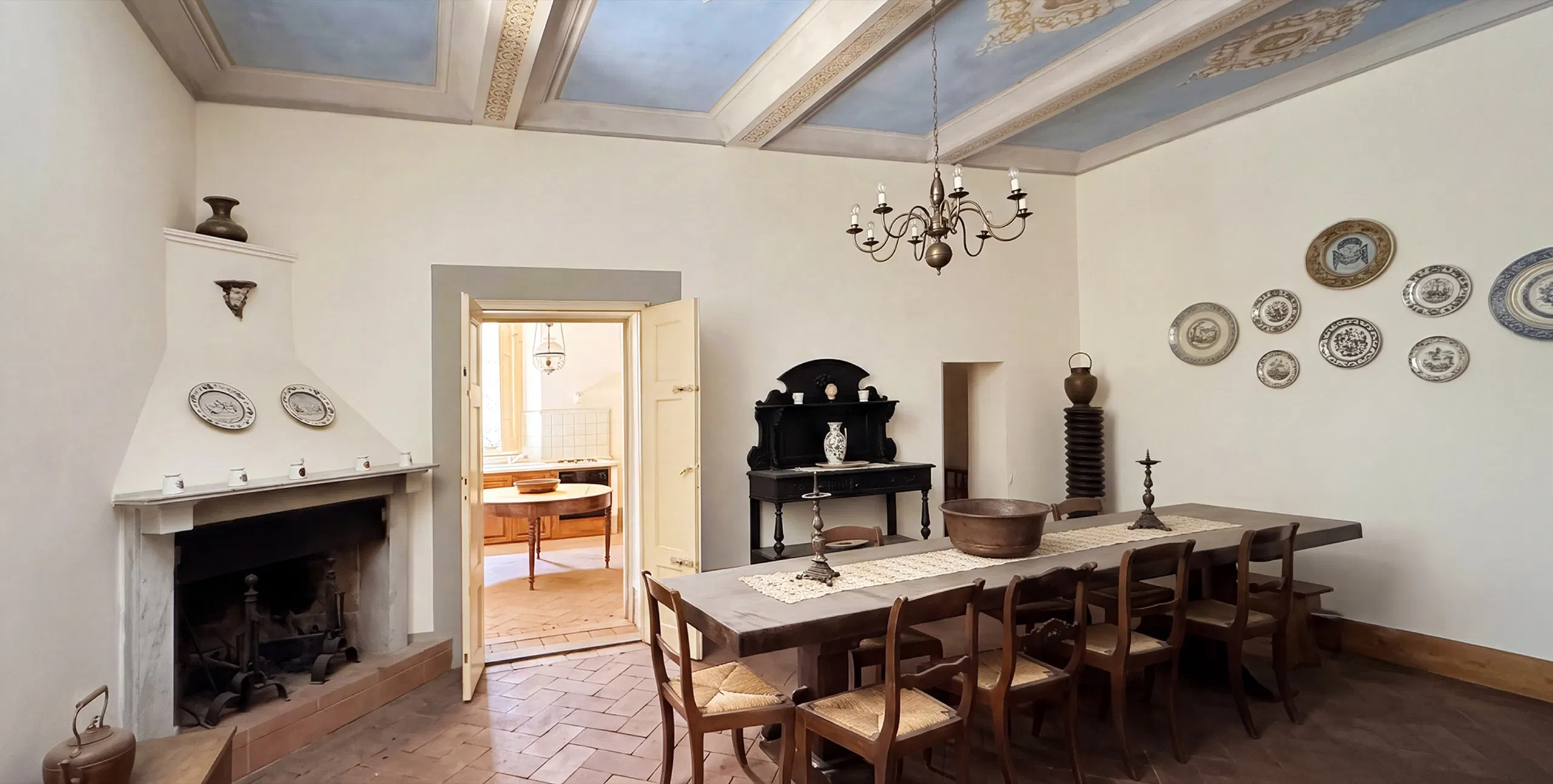
Three homes on a real working farm.
 Certifiedorganic
Selice, Our Wine
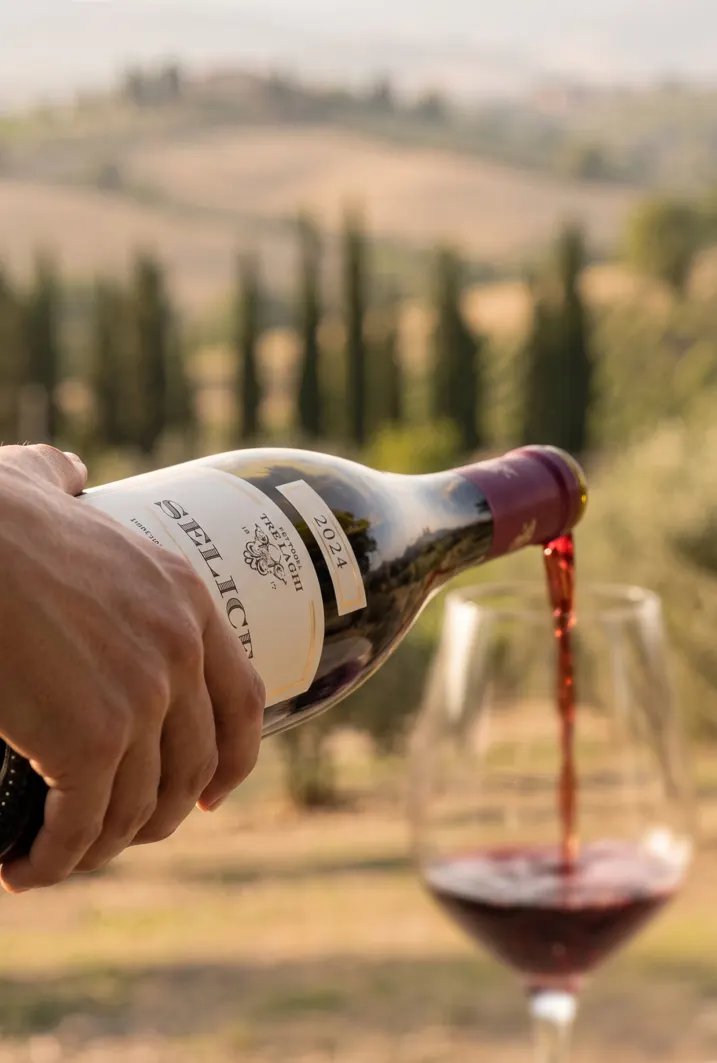
From the estate’s vineyards comes Selice, our pure organic Sangiovese. It is named after the ancient Roman road that once ran through these hills.
Since 2005 our vineyards and olive groves have been farmed with certified organic methods: no synthetic herbicides or fertilisers, just constant care for the land and regular inspections that guarantee its origin.
Discover the wineNeed more information?
We are here to answer any question and to help you choose the best option for your stay.
Contact us